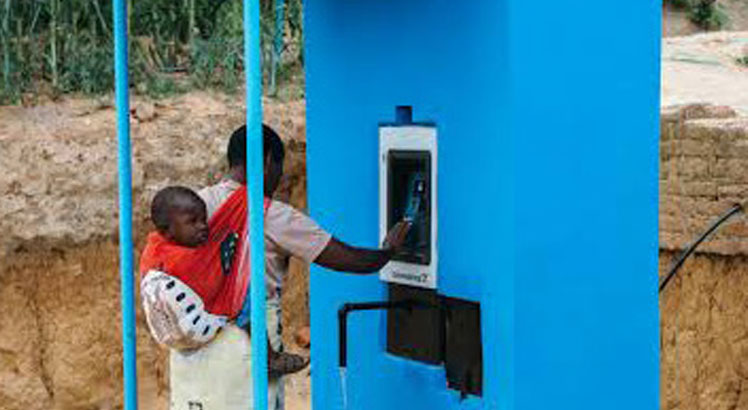
For many Blantyre residents, a water kiosk liberates women from doing the work of pipes—bringing water closer to home.
The expansion of these kiosks has reduced the long walks women and children used to endure to fetch safe water.
However, as the city expands to meet the growing population’s thirst for safe water, the people at the receiving end are demanding a swift shift from simply increasing access to ensuring reliable, long-term sustainability.
This is a highlight from the June 2026 Joint Monitoring Programme (JMP) stock-take by representatives of Blantyre City Council, Blantyre Water Board (BWB), education authorities, financiers and community.
“We need to look at where we were last year and where we are now, using that data to continue improving services,” said Water for People country director Ulemu Chiluzi during the meeting convened to assess water, sanitation, and hygiene (Wash) services.
The campaigner challenged stakeholders to interrogate data for life-changing decisions.
“We’ve made some strides, but we still face challenges in water provision,” said Chiluzi.
The JMP report presents a mixed picture.
On paper, Blantyre has achieved 100 percent basic water and sanitation coverage in public health facilities and schools.
However, maintaining the milestone remains difficult. While infrastructure has expanded, many institutions struggle with hygiene due to inadequate water supply and neglected funds.
Among others, 95 percent of targeted schools have handwashing facilities, but water availability there declined from 90 to 74 percent since last year.
Soap availability in handwashing stations also dropped from 63 to 45 percent.
Health facilities face similar setbacks, with basic hygiene services declining from 50 to 33 percent due to soap scarcity and a shortage of handwashing facilities near toilets.
This comes four years to the deadline of the global goal to provide access to safe water and sanitation for all by 2030.
“It’s not an easy task,” says the campaigner. “It requires a lot of investment. We hope that over the next four years, we will attract enough funding to improve the sector.”
Blantyre City mayor Isaac Jomo Osman calls for greater investment for the desired shift towards accountability for public finance management and wastewater recycling.
“Malawi continues to waste water that could easily be treated and reused,” he says. “Even the water we use for toilets is misused afterwards, rather putting it to good use as they do in China and Germany.”
The mayor commends Water for People for establishing township kiosks, but says expanded access calls for reliable water supply.
“We are going to have a lot of kiosks, but if there is no water, it does not help,” he argues. “It is sad that people in a city like Blantyre still face the threat of waterborne diseases like cholera because of supply gaps.”
City dwellers say taps keep running dry, increasing the risk of disease outbreaks.
Kabula Development Association administrator Mwayi Nyirongo says: “In our area, water access is improving because we have more kiosks than we had last year, but dry taps continue to affect our everyday lives.
“If the water board can improve on that, then everyone will have safe and potable water.”